

Leading With
Emotional Intelligence




Emotional Intelligence Leadership Coaching Programs
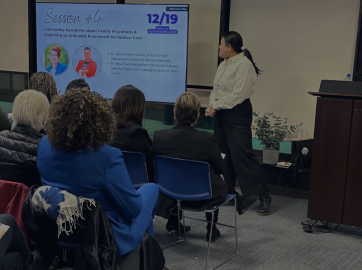
What started off as a joint interest in creating professional development opportunities for leaders turned into a collaborative initiative between educator, Janet Patti, and psychoanalyst, Dr. Robin Stern to develop a coaching model that resonates with the needs of these leaders at their level of leadership.
Janet and Robin realized that leaders need support for their well-being as well as a positive development in emotional intelligence capacities to navigate both calm and challenging times. After all, the paths set by these leaders trickles down- affecting teachers, nurses, and employees.






Leading With Emotional Intelligence
STAR Factor’s model was designed to enhance the social and emotional skill sets, as well as leadership skills to promote optimal learning and developmental skills within schools and organizations. Anchored by the experiences of former leaders and the frameworks of emotional intelligence from experts such as Dan Goleman, Richard Boyatzis, Peter Salovey, and many others, principals, superintendents, CEOs, and the like – can shape the culture of their institutions.
A series of training sessions that dives into the theoretical constructs of emotional intelligence. This portion serves as a foundation for leaders to gain emotional knowledge, and practice in emotion and social skills that impact decision making and creativity.
A series of training sessions that dives into the theoretical constructs of emotional intelligence. This portion serves as a foundation for leaders to gain emotional knowledge, and practice in emotion and social skills that impact decision making and creativity.
Emotional Intelligence For School Leaders
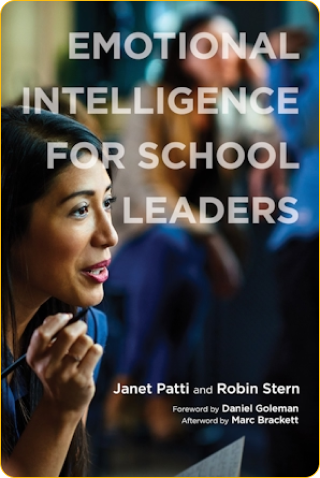
STAR Factor Coaching is proud to introduce their groundbreaking work, ‘Emotional Intelligence For School Leaders’, penned by experts Dr. Janet Patti and Dr. Robin Stern. This book acts as a beacon of knowledge and guidance for K-12 school leaders, underscoring the significance of social-emotional learning (SEL) in their leadership roles. Patti and Stern, with their cumulative expertise spanning four decades in SEL and leadership training, present an enriching blend of contemporary research from education and psychology. Their work advocates for the incorporation of emotional intelligence in leadership practices, thereby manifesting the myriad advantages of SEL-centric professional development for superintendents, principals, and budding school leaders.
Personal & Professional Development for Leaders
STAR Factor Coaching helps leaders and coaches enhance self-awareness and self-regulation to improve relationships, performance, and decision-making. Through personal and professional development, leaders refine their leadership styles, fostering positive change within themselves, their teams, and organizations, ultimately cultivating emotional intelligence and a flourishing, creative environment.
- Emotional Intelligence Consulting
- Individualized coaching
- Leadership competencies & Emotional Skills
- EI coaching for organizational teams
- Peer Coaching
- Institutes and keynotes

In The Press



Explore Our Blog
When Schools Promote Leaders Without New Skills Training: One Middle Leader’s Decision to Do It Differently
By Dr. Janet Patti, CEO Star Factor Coaching When Leadership Responsibility Outpaces Training In schools across the world, capable teachers are promoted into leadership roles with little preparation for what comes next. They gain responsibility but not always support. They gain authority but not always clarity. They gain a new title but rarely the tools required to lead human beings well. Sylvain Régereau has lived this reality from both sides. His story explains exactly why structured coach training is no longer optional for modern educational leadership. It is essential. Sylvain sits as the Head of Languages at the Hastings Academy in East Sussex, England. The Hastings Academy is a co-educational secondary school for students aged 11 to 16. Keep reading to see how his story of becoming an internal coach for the staff of his organization can inspire you to make important professional changes for yourself and your organization. Where It All Started: Emotional Intelligence Before It Was “Normal” Sylvain’s introduction to coaching and emotional intelligence began in 2009, long before mental health, wellbeing, and self-awareness were part of mainstream professional development in UK schools. At the time, Sylvain was working at a school that invited him to participate in a leadership and coaching training program connected to Yale University, facilitated by Marc Brackett, Robin Stern and Janet Patti. The training, delivered online, by phone, and in person, was designed to prepare educators to lead with emotional intelligence. “It was the first time emotional intelligence was really introduced to me in a professional context,” Sylvain recalls. “Back then, in England, sharing how you felt at work just wasn’t part of the culture. Still, the impact was immediate. Even after the program was phased out at his school (which meant he didn’t complete his training), Sylvain continued to apply what he had already learned, both professionally and personally. The tools shaped how he taught, how he related to colleagues, and how he understood himself. Later, while working in England, he incorporated mental health coaching into his role, long before it became common practice. The Moment He Realized: This Needs to Be Done Properly Years later, Sylvain found himself in a new position as a middle leader. And that’s when something became clear: “There was a real gap,” he explains. “Teachers were being promoted into leadership roles, but there was no training to help them actually be leaders.” In many schools, middle leaders sit at a critical junction. They manage teams. They influence culture. They carry responsibility from senior leadership and pressure from the classroom. Yet formal development for this level is often missing. Sylvain realized that if he wanted to introduce coaching internally and do it well, he needed to recommit to his own training. So he reached out again. First to Marc. Then to Janet. And ultimately back to Star Factor Coaching. Returning to Star Factor: Not for Credentials, For Integrity Sylvain re-entered the SFC coach training program with intention. “I wanted to share coaching with others,” he says, “but I wanted to do it correctly.” What stood out immediately was the program’s structure. “It’s not just a course. It’s a journey. And you’re on a journey yourself at the same time.” He describes the training as well-organized and comprehensive. It is grounded in theory and neuroscience. It is manageable alongside full-time work. It is deeply reflective, while actively improving performance in real time. The combination of self-reflection, scientific grounding, and global community made the difference. “You’re not just learning how to coach others,” Sylvain explains. “You’re actively evolving as a person and a leader while you’re in the program.” In August 2025, he officially completed his certification. Making the Case: How Sylvain Brought Coaching Into His School Before he had completed his EI coach training with Star Factor Coaching, Sylvain recognized that the gap in his organization would best be addressed through emotional intelligence leadership training. He also knew there was a strong likelihood that his organization’s leaders would value this coach training more deeply. Since he hadn’t completed his training yet, but knew how much it would benefit his organization if he did, Sylvain made a proposal to his principal at The Hastings Academy. He didn’t assume the answer would be no. Instead, he focused on how he presented it. The benefit to the school. The benefit to middle leaders. The long-term impact on teams, stress, and performance. Luckily (and intelligently), his school leadership was on board. Not only did they support the initiative, but they also funded the training and made coaching an official part of Sylvain’s role. Today, Sylvain coaches nine middle leaders, including heads of departments across multiple subjects. Each leader receives a 50-minute coaching session every two weeks. Sessions are scheduled directly into their work timetable. Coaching is recognized as part of professional development, not extra work. What’s Changed: Real, Measurable Impact The shifts Sylvain sees are not abstract. They are tangible. Middle leaders report increased self-awareness. Improved emotional regulation. More thoughtful communication. Clearer alignment with personal and professional goals. “They’ve realized how powerful it is to simply take time to reflect,” Sylvain says. “That alone has been a huge discovery.” Leaders are becoming less reactive. More proactive. Better planners. More intentional in how they lead teams. Critically, they are experiencing less stress and burnout. Not because the job is easier, but because they are better equipped. “This isn’t a quick fix,” Sylvain emphasizes. “But it’s real. And it lasts.” The Gap Star Factor Fills, And Why It Matters Now Sylvain is clear about one thing. “Promotions aren’t just cool titles. They’re serious level-ups, and you need to level yourself up too.” Star Factor Coaching fills the exact gap most leadership pathways ignore. Self-awareness before people management. Emotional intelligence before authority. Reflection before reaction. It does so in a way that integrates into real working lives, without requiring leaders to step away from their responsibilities. “If my organization hadn’t paid for it,” Sylvain says, “I would have paid for it myself.” You Have an […]
The Leadership Crisis No One Wants to Talk About (But We Need To)
Every school leader has said it. “I’m fine.” It’s the automatic response-to staff, to district officials, even to yourself. But behind closed doors? You’re exhausted. The emails, the staff conflicts, the constant crises… it never stops. And no matter how much you push through, the weight never lifts. Here’s the truth no one wants to admit: You didn’t take this job just to survive it. But that’s what’s happening. Leaders aren’t just leaving the profession. Many are still in it… but emotionally checked out. The Cost of Emotionally Unaware Leadership In my work coaching school leaders, I see it all the time: A principal who “keeps emotions in check” but whose staff avoids them because honesty doesn’t feel safe. A superintendent handling crisis after crisis without realizing their own stress is clouding their judgment. A leader who preaches SEL for students but hasn’t addressed their own emotional exhaustion. This isn’t about self-care slogans or quick fixes. It’s about recognizing that how you show up emotionally shapes everything-from staff retention to student outcomes. Burnout Isn’t Inevitable… But Emotional Blind Spots Make It Certain One in four principals leaves the job every year. The pressures are real. Staffing shortages, political tensions, the emotional toll of leading a school. But some leaders don’t just endure it. They thrive. Why? Because they understand something most don’t: Emotional intelligence is not a luxury-it’s a leadership requirement. Leaders with strong EI: Make better decisions under pressure. Create school environments where teachers feel valued and want to stay. Manage stress without passing it down the chain. Last year, I wrote about the loneliness of school leadership. But loneliness is just a symptom. The real problem? Leaders aren’t given the tools to handle the emotional toll of their work. At STAR Factor, we offer school leaders the tools to be able to lead with confidence! We Train Leaders to Be Strategic-But What About Emotionally Intelligent? School leaders spend years learning instructional leadership, crisis management, and school operations. But what about the emotional side of leadership? That’s where Star Factor Coaching comes in. We help school leaders: Recognize emotional blind spots before they impact decision-making. Build resilience so they don’t burn out. Develop practical EI strategies to lead with clarity and confidence. Because leaders set the emotional climate of a school. If you’re not actively shaping that climate, it’s shaping you. The Work Starts Here So ask yourself: Are you leading with emotional intelligence-or just pushing through? Is your school culture thriving-or barely holding on? Are you investing in your own well-being as much as you invest in others’? If your answer isn’t clear, it’s time to rethink how you lead. Start with Star Factor Coaching and read Emotional Intelligence for School Leaders-because great leadership starts with self-awareness.
Lessons from Education 2.0 & CXO 2.0: The Future of Leadership Starts With Emotional Intelligence
I recently had the honor of presenting a keynote and participating in a panel at Education 2.0 and CXO 2.0, where global leaders in education and business gathered to discuss the future of leadership. The conversations were rich, but one truth stood out: We are at a turning point in leadership development. For too long, we’ve treated emotional intelligence as an afterthought-something to develop once leaders are already struggling. But the reality is EI isn’t just a skill for executives and school administrators. It’s the foundation of effective leadership at every level, from students to superintendents. At Star Factor Coaching, we’ve seen firsthand how integrating mentorship, coaching, and emotional intelligence transforms leadership-not just for those in power today, but for the next generation who will redefine what leadership looks like. Why Leadership Training Must Start Earlier Too often, we focus on leadership development only when someone steps into an official role. Teachers receive PD on instructional strategies, but not on how to regulate emotions in high-stress classrooms. Principals are trained in school operations, but not in how to manage difficult conversations with staff, parents, or students. College students take courses in management, but few programs teach them how to lead with self-awareness and emotional agility. We have it backward. Emotional intelligence isn’t something leaders should develop once they’re overwhelmed-it should be embedded into education from the start. This is especially critical now, as we see an emerging generation of leaders who think differently about leadership. Gen Z and the Future of Leadership During my panel discussion, a key theme emerged: The next generation of leaders… Gen Z expects a different kind of leadership. They don’t just want authority-they want authenticity. They value psychological safety and belonging more than hierarchy. They’re not willing to endure toxic leadership in the name of career advancement. This means our current approach to leadership development must evolve. If we want to prepare future leaders, we need to move beyond traditional leadership models and embrace coaching, mentorship, and emotional intelligence as the new standard. Why Coaching Works When Traditional Leadership Training Fails In my work at Star Factor Coaching, I’ve seen a clear difference between leaders who attend training sessions and those who engage in real coaching. Traditional leadership training teaches strategies. Coaching transforms behavior. At Star Factor Coaching, we use a psychoeducational approach that combines: Mentorship, so leaders learn from real-life experience, not just theory. Coaching, so they develop self-awareness and emotional regulation. Emotional intelligence training, so they don’t just react to stress-they lead through it. This isn’t just about creating more effective school leaders. It’s about reshaping leadership from the ground up-so that emotional intelligence is as fundamental as technical expertise. Explore our series/foundational training The Call to Action: What School Leaders Must Do Next If we want to build strong schools, resilient leaders, and thriving students, we need to rethink how we approach leadership development. That starts with asking hard questions: Are we preparing leaders for the emotional reality of leadership-or just its logistics? Are we integrating emotional intelligence into education at all levels? Are we equipping future leaders with the tools they need to lead in a rapidly changing world? At Star Factor Coaching, we’re committed to this mission. And if you want to understand the research behind why emotional intelligence matters in leadership, read Emotional Intelligence for School Leaders. Because the future of leadership isn’t just about intelligence. It’s about self-awareness, resilience, and the ability to lead with emotional clarity.
Be the STAR Leader You Are Destined To Be!
Use our researched-based process to help grow your team’s leadership skills.
connect@starfactorcoaching.com or call us at 917-474-6952